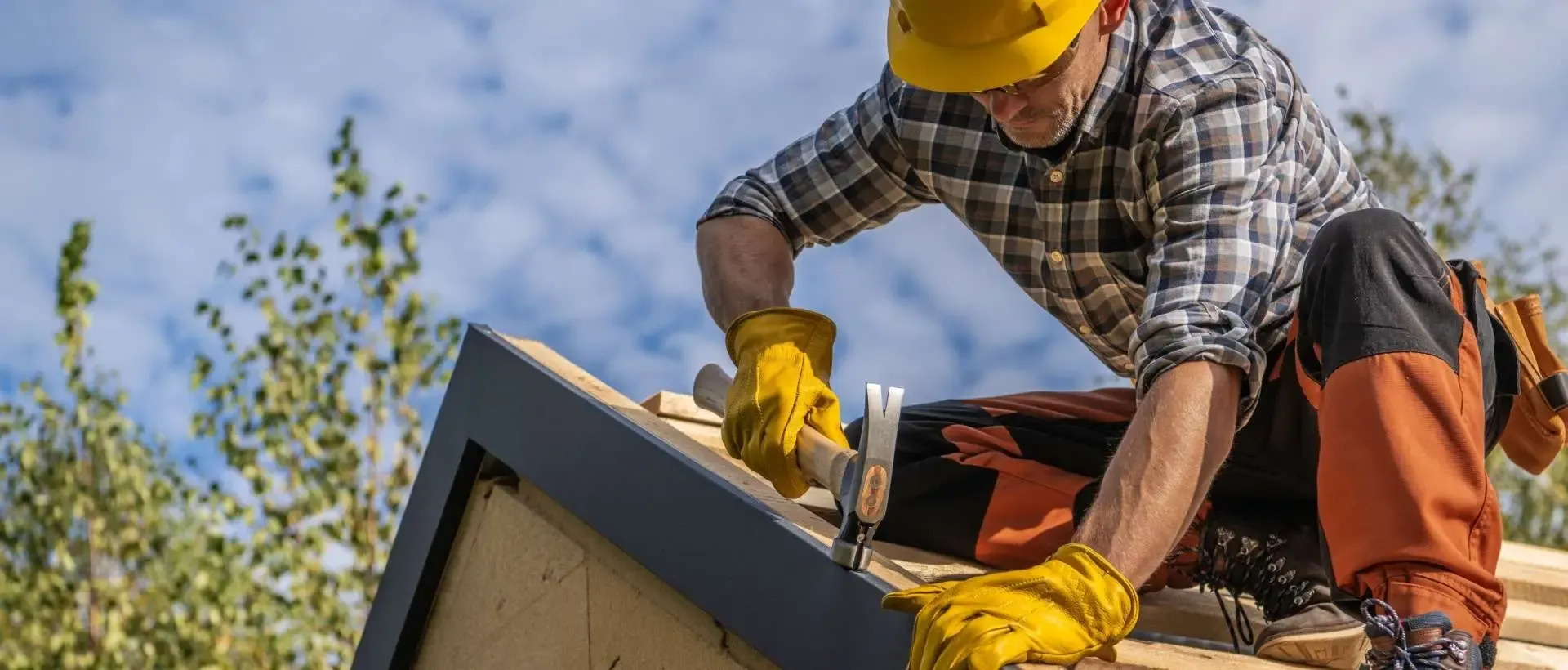
Certification plays a crucial role in the roofing industry, serving as a benchmark for professionalism, skill, and reliability. For professional roofers, obtaining certification is more than just a formality; it represents a commitment to quality workmanship and adherence to industry standards. This formal recognition helps distinguish certified roofers from unqualified individuals or companies, providing clients with confidence that their roofing projects will be handled competently and safely. The importance of certification extends beyond customer assurance; it also impacts career development and business growth for roofing professionals.
Certified roofers have demonstrated their knowledge through rigorous training programs and examinations that cover essential aspects of roofing techniques, safety protocols, material handling, and local building codes. This comprehensive understanding reduces explore the full story likelihood of errors during installation or repair work that could lead to costly damages or structural failures. Moreover, certification often requires ongoing education to stay current with evolving technologies and regulations in the construction sector. As a result, certified roofers maintain an edge by continuously updating their skills to meet modern standards.
From a business perspective, certification enhances credibility when bidding on projects or negotiating contracts with homeowners, commercial clients, or insurance companies. Many insurance providers prefer working with certified professionals because they are less likely to make mistakes that result in claims disputes or liability issues. Additionally, some municipalities mandate licensing requirements linked closely with certifications before allowing contractors to operate within certain jurisdictions. Meeting these prerequisites ensures compliance with legal frameworks governing construction activities.
Safety is another critical factor tied directly to certification’s significance for professional roofers. Roofing involves working at heights under varying weather conditions where accidents can cause severe injuries or fatalities. Certified training programs emphasize safe practices such as proper use of harnesses, scaffolding setup procedures, fall prevention strategies, and hazard identification techniques on job sites. By adhering strictly to these guidelines learned through certification courses, roofers protect themselves while minimizing risks for property owners.
Furthermore, customers increasingly seek verified credentials when selecting service providers due to heightened awareness about frauds or substandard workmanship in home improvement sectors including roofing services. Certification acts as proof that the roofer has met established criteria recognized by reputable organizations within the construction community rather than relying solely on word-of-mouth recommendations.
In summary, certification holds significant value for professional roofers by ensuring technical proficiency and safety awareness while fostering trust among clients and regulatory bodies alike. It supports continuous learning necessary for adapting to innovations in materials and installation methods while facilitating compliance with legal requirements essential for operating legitimately across regions. Ultimately certified status empowers roofers not only by enhancing their reputation but also contributing positively toward safer working environments along with higher quality outcomes on every project they undertake.