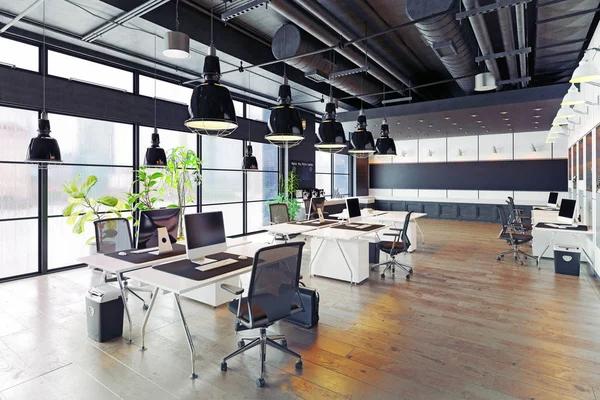
In recent years, the concept of coworking spaces has revolutionized the traditional work environment, offering a dynamic alternative that caters to the evolving needs of modern professionals. As businesses and individuals adapt to rapid technological advancements and shifting cultural expectations, coworking spaces have emerged as vital hubs for innovation, collaboration, and flexibility.
The rise of remote work has significantly contributed to the popularity of coworking spaces. With more companies embracing flexible working arrangements, employees are no longer tethered to conventional office settings. Coworking spaces provide an appealing solution by offering a professional environment outside of the home that fosters productivity while also facilitating networking opportunities. These spaces are designed with versatility in mind, accommodating freelancers, startups, small businesses, and even larger corporations seeking satellite offices.
One key advantage of coworking spaces is their ability click to explore cultivate a sense of community among diverse groups of professionals. Unlike traditional offices where interactions may be limited within departments or teams, coworking environments encourage cross-pollination of ideas across various industries. This diversity can lead to innovative collaborations and partnerships that might not occur in more siloed settings. The shared experience within these spaces often results in a supportive network where members can exchange knowledge and resources.
Moreover, coworking spaces offer amenities tailored to meet contemporary work demands. High-speed internet access, state-of-the-art meeting rooms equipped with advanced technology, comfortable workstations with ergonomic furniture—these features cater to both individual productivity and group activities. Many locations also provide additional perks such as wellness programs or social events aimed at enhancing work-life balance—a crucial aspect in today’s fast-paced world.
Adaptability is another hallmark feature driving the success of coworking environments. As business needs change rapidly due to economic shifts or industry trends like digital transformation initiatives; having access without long-term commitments allows organizations greater agility when scaling operations up/down based on current requirements rather than being locked into rigid leases associated traditionally found within commercial real estate markets elsewhere globally speaking too!
Despite numerous benefits offered through adoption here though there remain challenges facing this model: issues around privacy/security concerns must still be addressed adequately ensuring sensitive data remains protected from potential breaches whilst maintaining open collaborative ethos central underpinning philosophy behind concept itself overall however these hurdles appear surmountable given continued investment innovation ongoing development sector continues expand grow exponentially worldwide basis alike!
In conclusion adaptation towards embracing change represented via increased utilization modern workspace solutions signifies important shift how we perceive conduct daily tasks ultimately shaping future employment landscape positively impacting broader societal norms expectations along way!