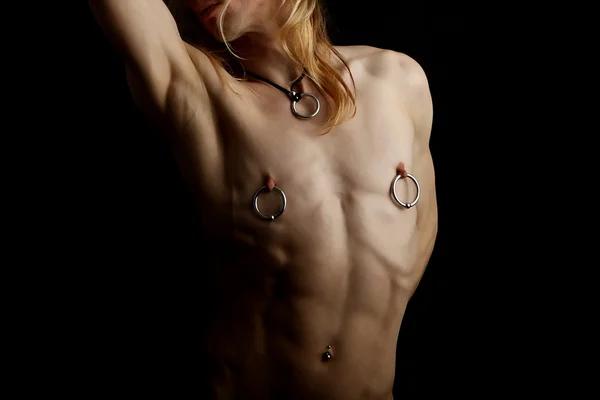
Body piercing is a form of body modification that has been practiced for thousands of years across various cultures around the globe. This ancient art has evolved significantly over time, merging traditional techniques with modern aesthetics to become a prominent expression of individuality and style in contemporary society. The practice involves creating an opening in the body where jewelry can be worn, and it requires a blend of artistic skill, technical precision, and hygienic practices to ensure both beauty and safety.
At its core, body piercing is about personal expression. Individuals choose piercings for numerous reasons: cultural significance, spiritual beliefs, aesthetic appeal, or simply as a personal statement. Each piercing carries its own meaning and symbolism; for example, ear piercings are among explore the content most common and socially accepted forms worldwide. In contrast, more unique placements like septum or dermal piercings might signify rebellion or non-conformity.
The artistry behind body piercing lies not only in the placement but also in the selection of jewelry that complements one’s anatomy while reflecting personal style. Jewelry comes in various materials such as titanium, surgical steel, gold, and biocompatible plastics—each offering different benefits regarding durability and skin sensitivity. Choosing the right piece involves considering factors like metal allergies or lifestyle needs.
A successful piercing experience begins with selecting a reputable professional who adheres to stringent hygiene standards. Piercers must use sterilized equipment to minimize infection risks; this includes single-use needles rather than reusable ones which could harbor bacteria even after cleaning. Additionally, they should provide comprehensive aftercare instructions tailored to each type of piercing performed.
Aftercare is crucial for healing; it typically involves cleaning the area with saline solution twice daily while avoiding irritants like alcohol-based products which can dry out skin tissues leading to complications such as scarring or prolonged healing times. The healing duration varies depending on location—earlobes may heal within weeks whereas cartilage areas might take several months due their dense nature limiting blood flow necessary for recovery processes.