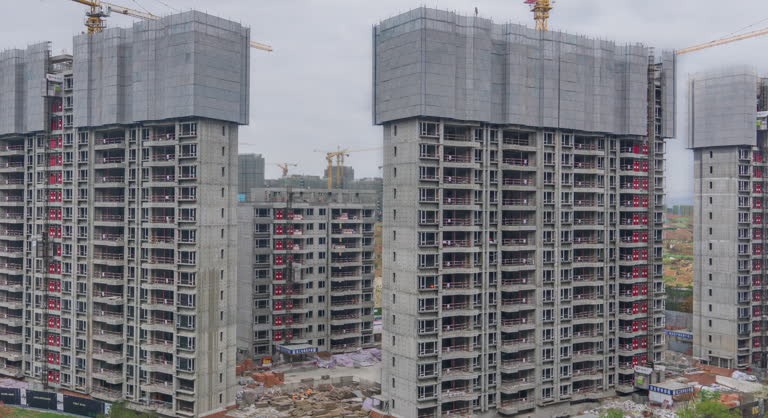
In the realm of modern infrastructure, construction and excavation services play a pivotal role in shaping the skylines of tomorrow. As urban landscapes evolve to meet the demands of burgeoning populations and technological advancements, these services have become crucial in laying down the foundations for sustainable growth. The integration of cutting-edge technology with traditional craftsmanship has revolutionized how we approach building projects, ensuring efficiency, safety, and durability.
One of the primary aspects that set top construction services apart is their commitment to innovation. With the advent of Building Information Modeling (BIM), Virtual Reality (VR), and Augmented Reality (AR), companies can now visualize projects before breaking ground. This not only helps in identifying potential issues early on but also aids in creating more accurate timelines and cost estimates. Furthermore, 3D printing technology is beginning to make its mark by allowing for rapid prototyping and even constructing entire structures with precision.
Excavation services are equally vital as they form find out the benefits bedrock upon which all other construction activities depend. Advanced machinery such as hydraulic excavators, backhoes, and trenchers have significantly improved productivity by enabling precise digging operations while minimizing environmental impact. Modern excavation techniques emphasize sustainability; methods like vacuum excavation reduce soil displacement and prevent damage to underground utilities.
Safety remains a paramount concern within both sectors. Top-tier companies adhere strictly to regulatory standards while investing heavily in employee training programs designed to mitigate risks associated with heavy machinery operation or hazardous site conditions. The implementation of IoT devices allows real-time monitoring of equipment performance alongside worker health metrics—ensuring swift responses should any anomalies arise during project execution.
Sustainability continues its rise as an essential consideration across all facets related to infrastructure development today; green building practices aim at reducing carbon footprints through energy-efficient designs coupled together alongside eco-friendly materials usage wherever feasible possible too! Incorporating renewable resources into every stage—from planning phases straight through final completion—demonstrates industry leaders’ dedication toward achieving long-lasting positive impacts environmentally speaking globally alike!